
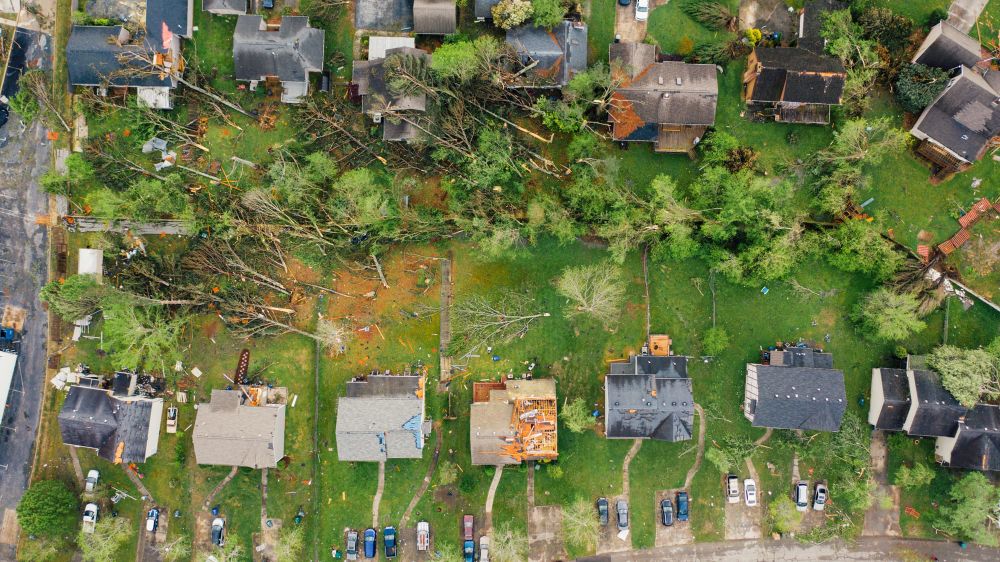
A storm rolls through, and overnight your phone explodes. Roofing companies and contractors get flooded with calls, form submissions, and texts from homeowners who suddenly need help, damaged shingles, leaks, downed gutters, the works. It feels like a flood of opportunity, and it is, but it's also one of the easiest times to lose a ton of business without even realizing it.
Here's the problem nobody talks about. When everyone needs help at once, you can't possibly call every single person back right away. So leads sit. And while they sit, your competitors are calling too, and homeowners are saying yes to whoever reaches them first. The storm didn't just create demand, it created a race, and most contractors aren't set up to win it.
So what's the best way to actually handle the wave of leads after a major storm without losing half of them to slower response times? Let's break it down.
Speed Matters More Than Ever Right After a Storm
In a normal week, responding to a lead within a few hours is usually fine. After a storm, that window shrinks dramatically. Homeowners with damage are often scared, stressed, and calling multiple contractors back to back within the same hour, trying to get someone, anyone, to come take a look.
Whoever responds first, even just with a quick text confirming they got the message, tends to win the job. It's not always about price or even reputation in these moments, it's about who shows up first in a stressful situation.
If you're relying purely on phone calls during a storm surge, you will not be able to keep up. There are simply too many people reaching out at once, and your team can only talk to one person at a time. An automatic text confirmation the second someone fills out a form or calls your line buys you crucial time, something like, "Thanks for reaching out, we got your message and we're working through requests as fast as we can, we'll call you shortly." That single message can be the difference between someone waiting for your call and someone moving on to the next name on their list.
Triage Your Leads Instead of Treating Them All the Same
Not every storm lead is equally urgent, and treating them that way wastes time you don't have. Someone with an active leak coming through their ceiling needs a callback today. Someone with a few missing shingles and no current damage inside the house can reasonably wait a day or two.
A smart approach is sorting incoming leads quickly into two buckets: urgent and standard. Your automated confirmation message can even help with this by asking a quick question, something like replying "1" for active leaks or emergency damage and "2" for general inspection requests. That tiny bit of information lets you and your team prioritize who gets called back first instead of working through requests in random order.
This matters because during a storm surge, the businesses that handle emergencies fastest tend to earn the most trust and the most referrals afterward. Word travels fast in a neighborhood that just got hit by the same storm.
Don't Let the Flood of Leads Mean Slower Follow-Up for Everyone Else
Here's something easy to overlook. While you're scrambling to handle the storm surge, your normal day-to-day leads, the ones unrelated to the storm, are still coming in too. If all your attention shifts to storm damage, those other leads can quietly go cold while nobody's paying attention.
This is exactly the kind of situation where having follow-up running automatically in the background protects you. Storm leads get prioritized for fast human response because of the urgency, while regular leads still get their automatic texts and check-ins without anyone needing to manually remember them in the middle of the chaos. Nothing falls through the cracks just because your week suddenly got ten times busier.
Keep Following Up Even After the Initial Rush
A lot of contractors handle the first wave of calls right after a storm, then quietly drop the ball on anyone they didn't reach in those first few frantic days. By the second week, attention has moved on to whoever's already on the schedule, and the leftover leads from the storm get forgotten entirely.
Those leftover leads are still worth pursuing. Insurance claims take time to process, and many homeowners are still deciding who to go with weeks after the storm actually happened. A simple follow-up sequence, a text a few days later, then another check-in the following week, keeps your name in front of people even after the initial chaos dies down. The contractors who stay consistent past the first rush usually end up booking jobs that everyone else assumed were already lost.
It Comes Down to Having a System Before the Storm Hits
The best time to figure out your storm follow-up strategy is before the storm, not in the middle of it when your phone won't stop ringing. Speed, prioritizing urgent cases, and staying consistent with follow-up even weeks later are what separate contractors who capitalize on a storm surge from the ones who let half those leads slip away.
Having a system that automatically responds the moment a lead comes in, no matter how many arrive at once, means you're never caught flat-footed when the next big storm hits your area.
If you'd rather have that system already running before the next storm rolls through, that's exactly what Steelhead Lead Management does, done-for-you SMS and email follow-up for roofing, HVAC, and contracting businesses, so every storm lead gets a response, even on your busiest days.