
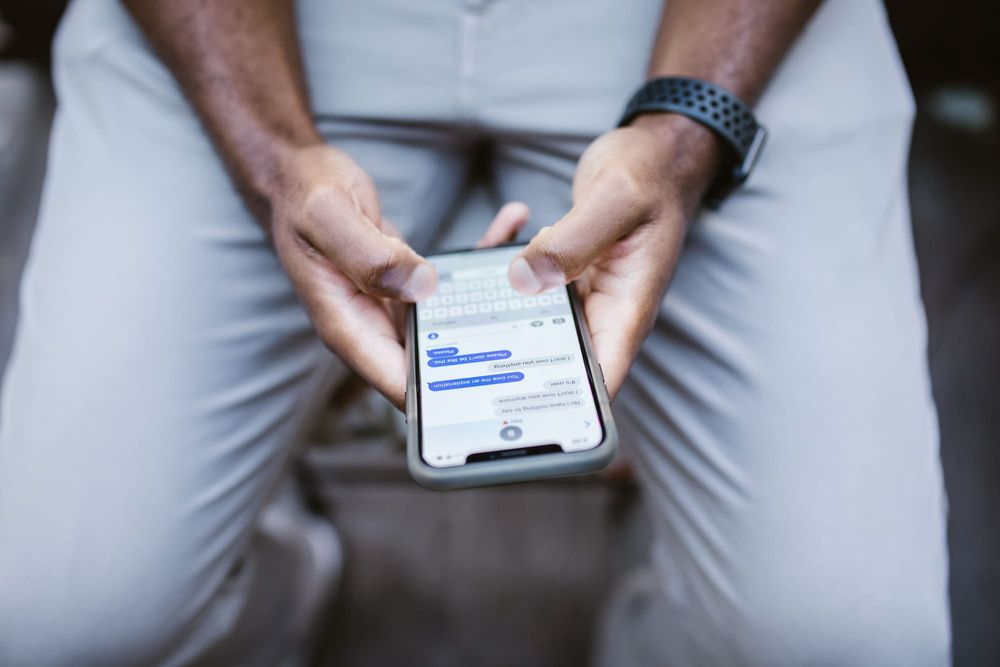
You get a new lead. You text them back. They don't respond. You text again two days later. Still nothing. You figure they found someone else and move on.
But here's the thing, they might not have found someone else at all. They might have just been busy when your first message came in, meant to respond, and completely forgot. Life moves fast. People get distracted. It doesn't mean they're not still interested in getting their roof replaced or their HVAC system serviced.
This is exactly the problem an SMS drip sequence is built to solve. And despite the name sounding a little technical, it's actually one of the simplest and most practical tools a contractor can use to stop losing leads to their own forgetfulness or a prospect's busy schedule.
So What Is an SMS Drip Sequence, Exactly?
An SMS drip sequence is just a series of text messages sent automatically to a lead over a set period of time, spaced out on a schedule you decide in advance. Instead of sending one text and hoping for the best, you set up five or six messages ahead of time, and they go out one by one over the course of a few days or weeks without you lifting a finger.
The word "drip" just means slow and steady, like water dripping from a faucet. You're not blasting someone with five texts in one afternoon. You're keeping in touch at a reasonable pace that feels natural, not pushy.
Here's a simple example of how it might look for a roofing company. Someone fills out a form on your website asking for a quote. Within a few minutes, they get a text confirming you received their request. Two days later if nobody's connected with them yet, they get a short follow-up: "Hey, still thinking about getting that roof looked at? We'd love to help." A few days after that, another message: "We're booking inspections this week, want us to grab a spot for you?" And so on, a handful of messages spread across two or three weeks, each one short, friendly, and easy to respond to.
You write these messages once. The system sends them on schedule. That's the whole idea.
Why Text Messages Work Better Than Phone Calls for Follow-Up
Most people don't answer calls from numbers they don't recognize. That's just the reality of how people use their phones today. But nearly everyone reads a text within a few minutes of receiving it, even from an unfamiliar number.
Text messages also don't put someone on the spot the way a phone call does. A homeowner who isn't quite ready to commit can read a text, think about it for a minute, and respond when they're ready. That low-pressure feeling actually leads to more responses, not fewer. People are more likely to engage when they don't feel like they're being cornered into a decision right now.
For contractors specifically, this matters a lot. Roofing and HVAC jobs are often expensive decisions homeowners need time to think over. A well-timed follow-up text a week after the initial inquiry, right when they've finally had time to sit down and think about it, can be the nudge that turns a quiet lead into a booked estimate.
What Makes a Good SMS Drip Sequence
Not all drip sequences are created equal. A bad one feels like spam. A good one feels like a genuine check-in from someone who actually wants to help. The difference usually comes down to a few things.
Keep the messages short. Two or three sentences is ideal for a text. People don't read walls of text on their phones. Get to the point quickly.
Vary the angle of each message instead of just repeating the same ask over and over. One message might ask if they're ready to schedule. The next might mention something timely, like storm season coming up or limited availability on your calendar. Another might offer something useful, like a free inspection or answers to common questions. Each message should give the person a slightly different reason to respond.
Space them out reasonably. Texting someone every day feels aggressive. A good rule of thumb is waiting at least two to three days between messages, sometimes longer as the sequence goes on. You want to stay on their radar without becoming the contractor they actively start ignoring.
And always make it easy to opt out. A simple "reply STOP to unsubscribe" at the bottom of your messages keeps things professional and respectful. People who genuinely aren't interested will take themselves off your list, which actually saves you time.
How Contractors Use This in Real Life
The most common use for an SMS drip sequence is new lead follow-up, exactly the scenario described above. But it's useful in other situations too. You can use a drip sequence to re-engage old leads who went quiet months ago, to remind past customers about seasonal maintenance before summer or winter, or to follow up after someone requested a quote but never responded to the actual estimate you sent.
Each of these situations has the same core problem: you need to stay in front of someone more than once without manually tracking every single contact. A drip sequence handles that automatically so nothing gets forgotten just because your week got hectic.
It All Comes Down to Having a System That Does the Work for You
An SMS drip sequence isn't complicated. It's just a planned set of text messages that go out automatically to keep a lead warm until they're ready to move forward or tell you they're not interested. Done right, it feels like thoughtful follow-up. Done wrong or not at all, your leads go cold and you never find out why.
The contractors who consistently book more jobs from the same number of leads aren't necessarily better at sales, they just have a system in place that keeps following up long after most people would have given up.
If setting up and managing that kind of sequence sounds like more than you want to tackle on top of actually running your business, that's exactly what Steelhead Lead Management takes off your plate, done-for-you SMS and email drip follow-up for roofing, HVAC, and contracting businesses, so every lead keeps getting touched until you get an answer.